The Best Grass for New Port Richey Lawns: St. Augustine vs. Bahia
Jacob Wells
The short answer
For most New Port Richey yards, St. Augustine (usually Floratam) gives the lush, carpet look but needs regular water, feeding, and chinch-bug watch. Bahia is tougher, cheaper, and better in full sun or low-maintenance areas, but coarser underfoot. Match the grass to your sun, budget, and how much upkeep you actually want.
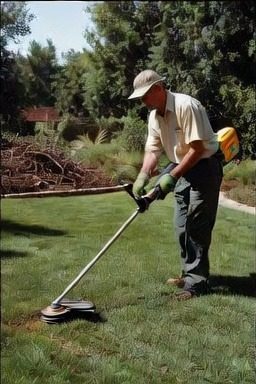
If you’re putting in a new lawn or patching a dying one in New Port Richey, the choice usually comes down to two grasses: St. Augustine or Bahia. St. Augustine gives the lush, soft look most people picture; Bahia is tougher and cheaper but coarser. The right one depends on your sun, your budget, and how much upkeep you actually want to do.
I lay a lot of sod in west Pasco, and the biggest mistake I see isn’t picking the “wrong” grass — it’s replacing sod without fixing why the last one died. More on that below.
St. Augustine: the lush look, more upkeep
St. Augustine — almost always the Floratam variety here — is the most common lawn grass in New Port Richey for a reason. It grows dense, feels soft underfoot, and gives that carpet look. In our heat and humidity it does great as long as it’s watered and fed on a real schedule.
The trade-offs:
- It’s thirsty. It needs consistent water within your SWFWMD watering days or it thins out.
- Chinch bugs love it. They kill sunny patches fast in summer if you’re not watching for them.
- It wants regular mowing at the right height — usually 3.5 to 4 inches. Cut it too short and you stress it and let weeds in.
If you want the nice lawn and you’re willing to keep it on a weekly maintenance schedule, St. Augustine is usually the answer.
Bahia: tougher, cheaper, coarser
Bahia is the workhorse. It handles full sun, drought, and neglect far better than St. Augustine, costs less to install, and needs less water and feeding. For a big open lot, a rental, or anyone who doesn’t want a high-maintenance lawn, it’s often the smarter pick.
The trade-offs:
- It’s coarser and thinner — it won’t feel like a carpet.
- It sends up seed heads fast in the rainy season, so it can look scruffy between mows.
- It’s less forgiving in shade than St. Augustine.
How to actually choose
Here’s the short version I give homeowners:
- Front yard, some shade, want it lush, willing to maintain it? St. Augustine.
- Full sun, big lot, want low cost and low upkeep? Bahia.
- Mixed yard? You can run St. Augustine in the visible/shadier areas and Bahia in a full-sun back section — just give each its own defined zone.
Your soil matters too. Most of west Pasco is sugar sand a few inches down, which drains fast and holds little nutrition — another reason watering and feeding schedule matters more here than in places with real topsoil.
Fix why the last lawn died — before you replace it
This is the part that saves people money. When St. Augustine dies in patches, it’s usually one of two things:
- Chinch bugs — they kill sunny patches in mid-summer.
- An irrigation coverage gap — a dry zone the sprinklers physically miss.
If you lay fresh sod over a spot that’s dying because of a broken sprinkler zone, you’re going to pay to replace it again. I check irrigation coverage before installing new sod for exactly this reason — so the new grass survives.
Bottom line
There’s no single “best” grass for New Port Richey — there’s the best grass for your yard, sun, and upkeep tolerance. St. Augustine for the lush look with more care, Bahia for tough and low-cost. Either way, fix the underlying cause before you replace dead turf.
Not sure which fits your yard? Send a few photos through the quote form and I’ll walk it with you and give you an honest recommendation — including whether you even need new sod or just a repair.